

All Yellow
the fear of the week

Xanthophobia: The Fear of the Color Yellow
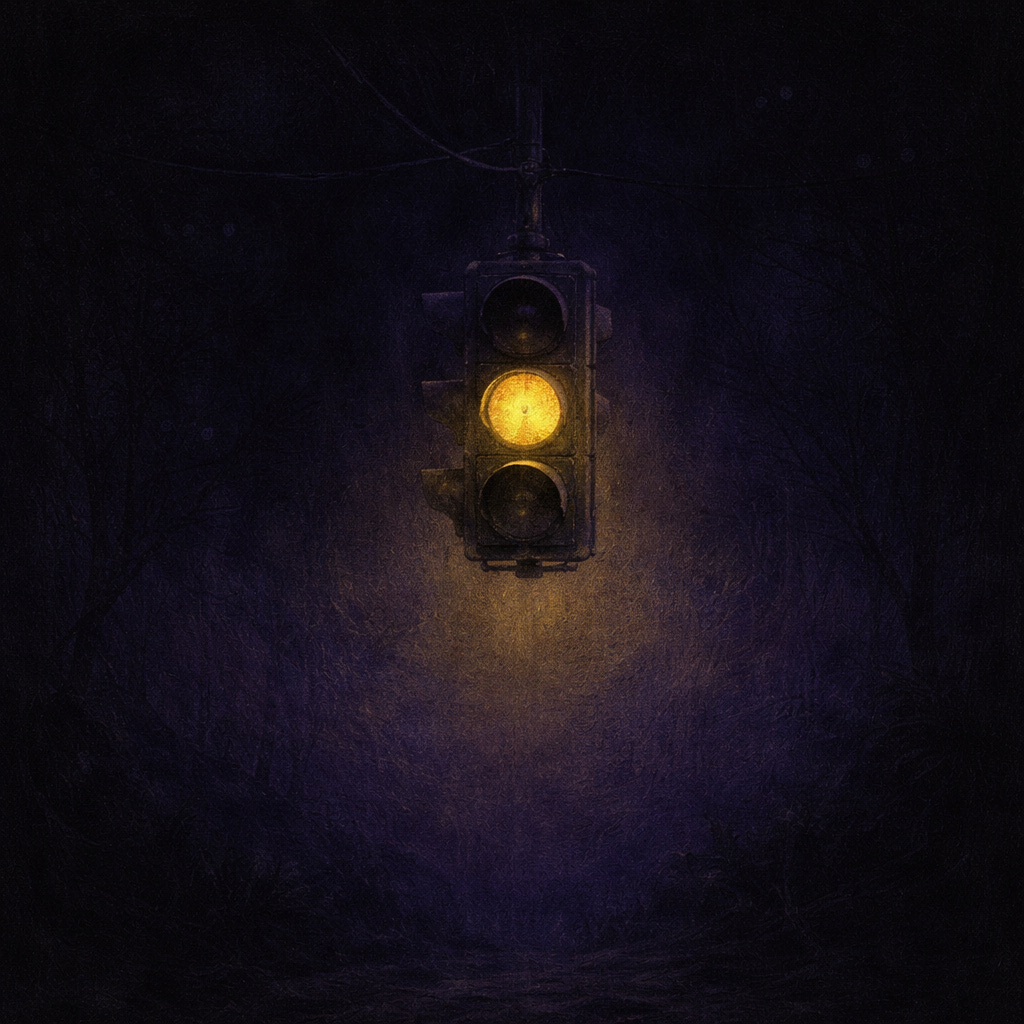
Definition:
Xanthophobia is the irrational fear of the color yellow. It can trigger anxiety, panic responses, or avoidance behaviors when a person encounters yellow objects, light, or environments. As a form of chromophobia, it often develops through association – linking the color to danger, illness, or past traumatic events.
Real-World Resonance:
Yellow is cheerful. Bright. Harmless. But for someone with xanthophobia, it’s not the color itself. It’s what the color signals. Crime scene tape. Hazard signs. Bees. Bruises. The sickly yellow of hospital lights or fading skin. Yellow doesn’t soothe – it alerts.
Because yellow is everywhere, the fear is hard to escape. A traffic light. A school bus. A note. A highlighted word. What others see as warmth or optimism sounds like a siren – a flare going off in your face.
In its quieter form, xanthophobia becomes vigilance. Scanning rooms. Avoiding certain clothes or spaces. Learning to move through the world by steering clear of brightness itself. Not because yellow is dangerous – but because once it meant danger, and the body never forgot.
Related Phobiac:
Sallow
He is impossibly yellow – vivid, chemical, and flat. His face is fixed in an exaggerated neutrality: wide eyes, straight mouth, the shape of a bright yellow neutral face emoji. It doesn’t react. It simply registers.
The skin is jaundiced, thin, stretched tight over bone. The color looks symptomatic, like a body broadcasting its wrongness from the inside out. Sallow doesn’t wear yellow so much as leak it. That impression is fortified by the smell. A slightly nauseating combination of sweat-stained fabric and overripe bananas.
His yellow tux should signal celebration. Instead, it hangs on him like defeat. Frayed at the seams and grimy. Formalwear for joy long past its expiration date.
But still, the yellow pops.
Around Sallow, other colors fail. Reds dull. Blues gray out. Whites turn sickly. The world looks washed out, as if its saturation is being siphoned away to feed his brightness. And you realize why you feel uneasy.
Yellow is supposed to mean happiness. Sunshine. Safety. A color that says, have a nice day. Everything is fine. Sallow corrupts that promise. In his presence, yellow becomes a symptom – the shade of bruises healing wrong, of skin under fluorescent lights, of warning signs. Beware.
Constant alarm gives way to fatigue. Vigilance dulls into resignation. Everything begins to look uniformly pale, and you stop expecting the light to feel warm again.
And once brightness itself feels like a bad sign, you stop trusting joy – and start bracing for what it means instead.
Fear has a color.
Look At the Stars:
I like writing about music. I’ll use any excuse to gush about my favorite bands and artists that matter to me. You can see where this is going. It was called “Yellow.”
There was a time when liking Coldplay felt almost private. Early on, their music didn’t announce itself. It felt quieter. Songs that felt inward. Fragile. Music for late nights and long drives – when you didn’t quite have the language for what you were feeling yet, but you knew you were feeling something. Sang with a sincerity that could make you believe that yellow was the color of love.
Then Coldplay became Coldplay. Stadium-sized. And along the way, it became fashionable to roll your eyes. Coldplay arrived at a moment when sincerity was already starting to feel suspect. As the band grew bigger, so did the cultural reflex to question them. Their songs were emotional without being ironic. Romantic without apology. They weren’t hiding behind sarcasm or abstraction. They said what they meant, meant what they said, and asked the audience to meet them there. They were too earnest to be cool. That kind of openness makes people uneasy.
Then there’s the double-edged sword of fame. The assumption that something that widely loved couldn’t possibly be interesting anymore. Intimacy gave way to ubiquity. And for some, that shift felt like a loss of credibility – or worse, authenticity – even if the emotional core of the music hadn’t actually changed. It became easy to mistake visibility for insincerity. To confuse scale with calculation. To assume that hope, when amplified, must be manufactured.
The truth is way simpler than that. Coldplay never learned how to pretend not to care. Coldplay didn’t abandon their emotional core – they magnified it. The same band that once whispered about longing decided to sing about hope as loudly as possible and from the largest stages. That’s not selling out. That’s a choice.
I recognize that decision because I’ve made it myself. I’ve always been earnest to a fault. Like I said, I like to gush. I care loudly. I feel deeply. I don’t always know how to pretend otherwise. And on many occasions, that has made me uncool. Because earnestness borders on cringey. In a culture that rewards detachment, that kind of openness is embarrassing. It’s safer to stand at arm’s length from the things you love. Without irony as a shield, you’re left exposed. It gives people something to take shots at. But it’s honest.
That’s why Coldplay still matters to me. Not because every song hits, or every era lands – but they consistently choose connection over cleverness, sincerity over safety. They believe music should still be shared. Sung together. Felt together. Without apology (except to maybe those involved in the Kiss Cam debacle).
Sometimes the bravest thing an artist can do isn’t stay small. It’s staying true to who they are while getting big.